Custom Email Marketing: The Ultimate Guide for 2025
Competition is already fierce in digital marketing, and every business is working hard to stand out from the crowd. During this time, email marketing has emerged as a powerful tool for companies that want to connect with their audience. Custom email marketing automatically increases return on investments (ROIs) for businesses in the long run.
With billions of email users worldwide, the reach of such email marketing campaigns is limitless. This is also going to help your business grow when implemented with other marketing techniques.
The entire strategy is about building relationships, nurturing leads, and driving conversions.
Now, this guide showcases how an effective custom email marketing strategy can improve your business while you connect with your audience deeply.
What is Custom Email Marketing?
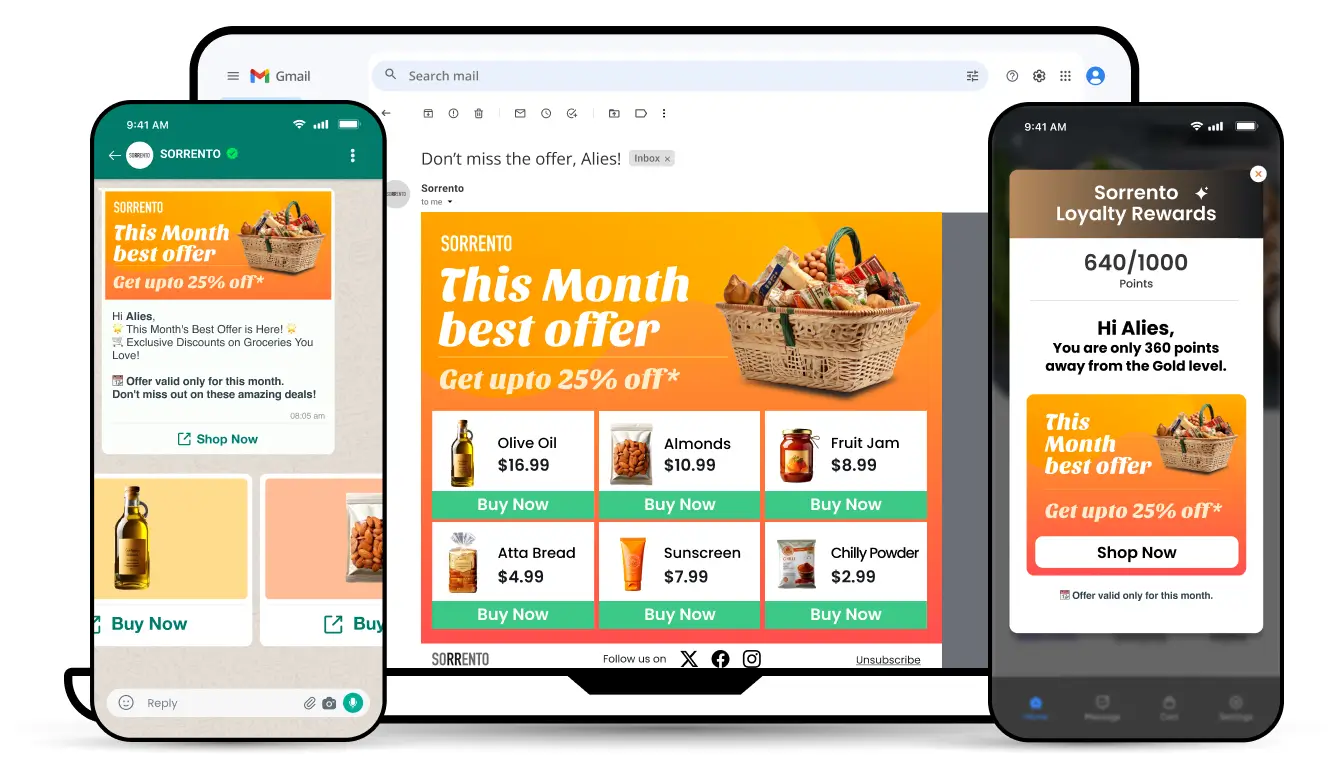
Custom email marketing is a strategy that effectively customizes email content based on the recipient’s behaviors, preferences, and interactions with a particular brand. Unlike generic mass emails, custom emails easily engage recipients by providing relevant information that meets their needs.
The custom email marketing approach includes recommending products based on past purchases, addressing subscribers by their name, or sending targeted content aligned with their interests.
Benefits of Custom Email Marketing
Custom email marketing can easily improve customer engagement and promote loyalty. It also allows your business to improve open rates, click-through rates, and conversion rates by delivering personalized messages that resonate with your recipients.
Additional benefits include:
Improved Engagement
Custom emails capture more attention than generic ones.
When recipients receive content personalized according to their interests, they are more likely to open and engage with that particular email. Most personalized emails have higher open rates than non-personalized emails. The same applies to emails with a custom subject line, which are more likely to be opened.
Increased Conversions
Higher engagement through custom email marketing often translates to better conversion rates.
Personalized emails lead to increased sales because they provide relevant offers to resonate with customers. Custom email marketing has been shown to deliver six times higher transaction rates than other non-personalized emails. It means you’re more likely to drive conversions by targeting customers with products or services they’re more interested in.
Enhanced User Experience
You can create a more enjoyable experience for your audience by delivering content that aligns with subscribers’ preferences.
This improves customer satisfaction and encourages repeat business over time. Personalized emails often include relevant product recommendations, offers based on purchase history, or exclusive content that matches the subscriber’s interests. This level of customization makes the email feel more like a valuable service and less like marketing to enhance user experiences.
Improved Customer Retention
Custom email marketing can significantly boost customer retention rates. It further helps keep your brand top-of-mind and gives customers sufficient reasons to stay engaged.
As mentioned earlier, personalized email campaigns also generate a higher ROI compared to generic campaigns.
While the initial setup might require more resources and time, the improved performance justifies the investment.
Reduced Unsubscribe Rates
When your subscribers receive content that’s relevant to them, they’re less likely to unsubscribe from your email list. Custom marketing can help you reduce unsubscribe rates by ensuring that each subscriber receives content that matches their interests and needs.
Stronger Customer Relationships
Personalization promotes a sense of connection between the customer and the brand to encourage loyalty and repeat business.
When customers feel more valued with personalized communication, they are more likely to recommend a particular brand to others. This word-of-mouth marketing can be incredibly beneficial, with several customers trusting recommendations from family and friends over any other type of advertising.
Strategies for Effective Custom Email Marketing
Understand Your Audience
Understanding your audience deeply is essential to creating the most effective personalized emails. This goes beyond simply knowing who your intended customers are; it involves segmenting your entire email list based on various criteria such as purchase history, demographics, and engagement levels.
Leverage Dynamic Content
Dynamic content allows marketers or businesses to customize the key email elements based on recipient data. This means different recipients will see different content within the same email template. It also makes the message more relevant to each individual based on their preferences.
Personalize Subject Lines
The subject line is often the first impression a recipient has of your email.
Personalizing email subject lines can increase open rates to a great extent. Moreover, when recipients see something engaging and relevant, they are more likely to click through.
Leverage Behavioral Triggers
Behavioral triggers refer to specific actions taken by users that can prompt automated responses from any email system. These triggers allow you to send relevant and timely messages based on user behavior.
Implement A/B Testing
A/B testing is key to optimizing successful personalized email campaigns. Testing multiple elements, such as content variations, subject lines, and calls-to-action (CTAs) helps determine what resonates best with your audience.
Bottom Line
Custom email marketing is no longer an option, it has become a necessity for marketers to enhance engagement and drive higher ROI significantly.
As consumers increasingly expect personalized experiences from brands they interact with, embracing custom email marketing is going to improve customer satisfaction and promote long-term loyalty and growth for businesses. The best way is to implement these strategies immediately to elevate your email marketing efforts in no time.


Comments
Post a Comment